

Toilets and hygiene
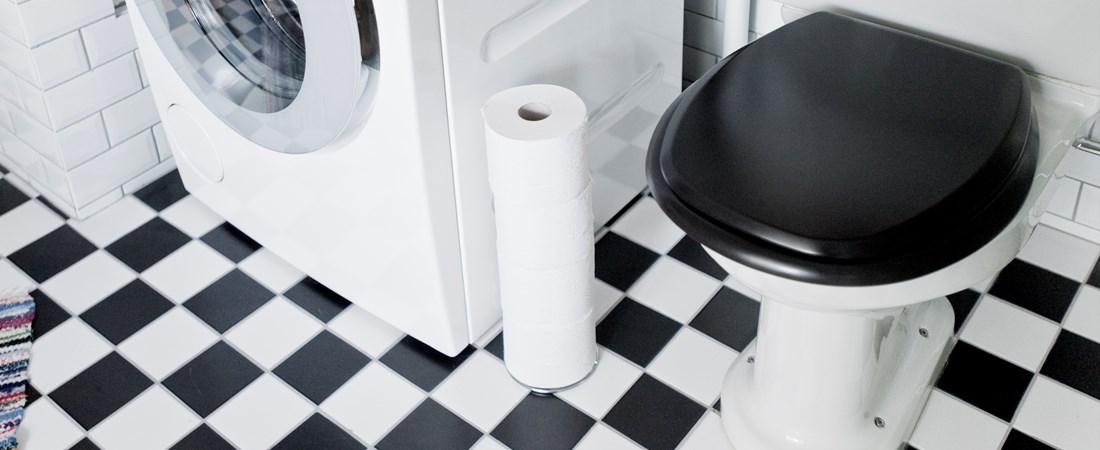
When you need to pee
Depending on where you live, it may be easiest to urinate outdoors. Make sure you do it somewhere that will not disturb other people, animals or nature.
You can pee in the toilet as usual, but put the toilet paper in a bucket or bin next to it. Make sure the bucket or bin has a lid to prevent unpleasant odours.
When you need to poo
Poo outdoors if possible. Remember to show consideration for other people, animals and nature. Choose a spot far from waterways and other people. It is a good idea to dig a small hole in the ground to poo in and then cover it with soil or something similar.
Another option is to poo in a thick plastic bag indoors. You can clamp the bag to your regular toilet or put it in a bucket with a lid. Make sure the lid closes properly to prevent unpleasant odours.
Outdoor toilets and toilets in caravans can be useful in a crisis. There are also incinerating toilets and folding toilet seats that work without water or electricity. A folding toilet seat resembles a regular camping chair, but has a bag underneath.
Municipalities are responsible
The advice on this page is general and there may be different rules depending on where in Sweden you are. Each municipality (”kommunen”) should have a plan for dealing with waste. Contact your municipality for local information.
Personal hygiene
If there is a water shortage, it is important to use water for drinking and cooking only. You will probably not be able to bathe, shower or wash as you normally would. Here are some tips on how to wash yourself while saving water:
Five-point wash
A five-point wash is often sufficient for washing yourself or someone else. This requires little or no water. To make things easier, fill your sink with water, add some soap and use a washcloth to clean yourself. Start with the cleanest part of your body and finish with the dirtiest. For example:
1. Your face
2. your hands
3. your armpits
4. your intimate area
5. Your feet.
If there is no water, you can use wet wipes instead. Another option is wash cream, which does not need to be rinsed off. It is suitable for intimate washing and baby care. Wash cream is available at pharmacies.
Washing clothes without electricity
If you don't have electricity, the washing machine won't work. However, if you have access to water, there are other ways to clean your clothes.
- Put the clothes in a container, such as a bucket with a lid or a laundry bag.
- Heat the water and pour it into the container.
- Add detergent.
- Let the clothes soak for a while.
- Stir occasionally.
- Rinse the clothes thoroughly afterwards.
Good to have at home:
- Toilet paper
- wet wipes
- hand sanitiser
- nappies and sanitary towels
- plastic bags or bin bags
- compost or sawdust.
- bucket with a lid.